


Sustainability
New Zealand wool makes a positive impact.
New Zealand wool is a truly planet friendly fibre, that actually absorbs and stores carbon.
Wool the carbon sink
Grown from grass, sunshine and rain
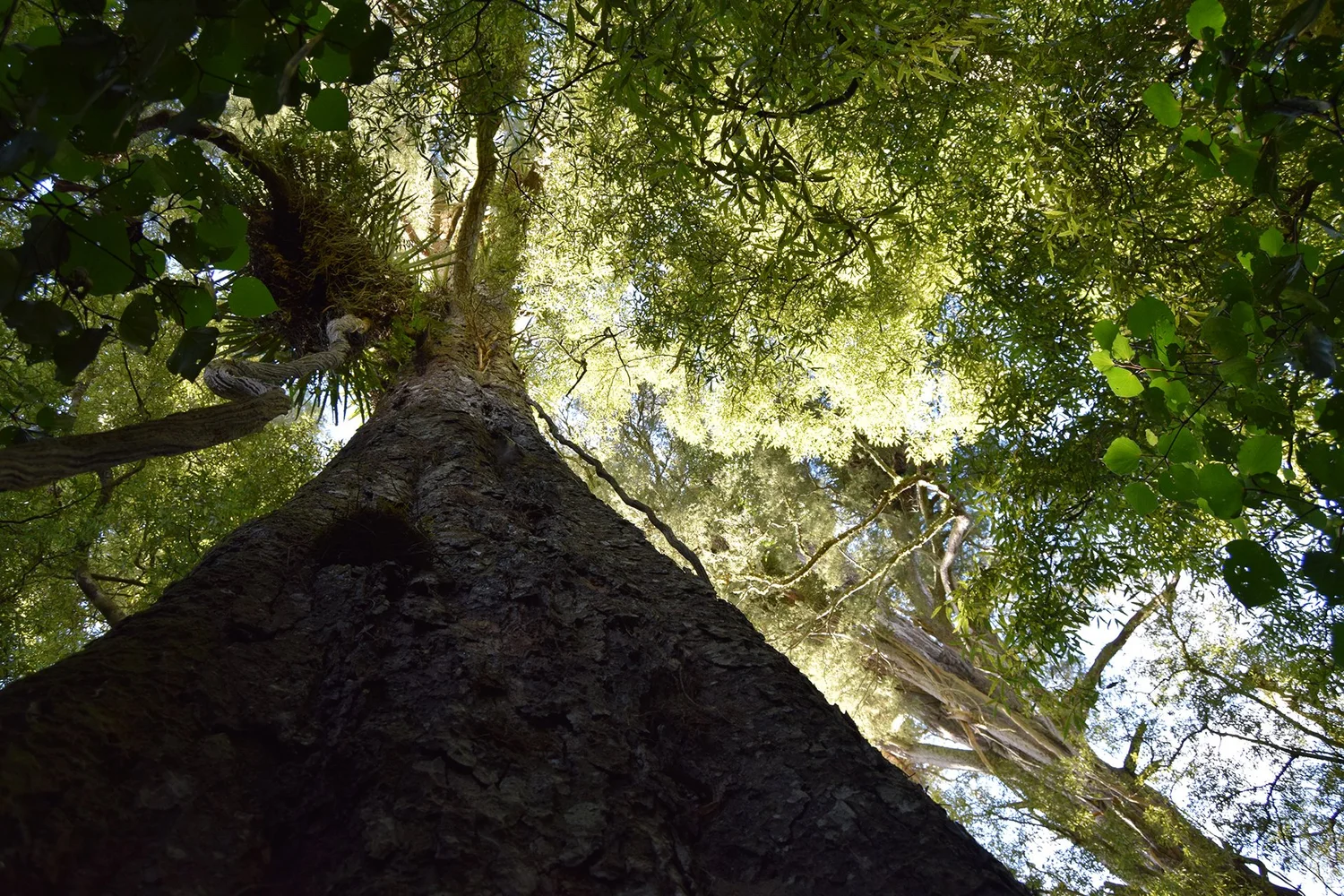
Our farms contain a lot of woody vegetation, trees that soak up carbon dioxide and turn it into wood, as well as grass that the sheep turn into wool, which in turn stores carbon in its structure.
On average New Zealand sheep farms store a massive 4.2 million kgs of carbon each, storing that carbon in the soil, in vegetation and in the wool.
The sum
Carbon negative wool
It takes energy, water and other resources to grow wool, all of which equates to a mere 0.34 kg CO₂-e. Wool is 51% carbon so 0.34 kg minus 0.51 kg = −0.17 kg CO₂-e.
Yep! New Zealand wool is carbon negative! It absorbs more carbon than it takes to make it.
We don’t count carbon sequestration, that is to say we don’t subtract all the carbon soaked up by the trees in calculating the carbon footprint of wool. Why? Some farms sell those carbon credits, so that would be double counting. But if you consider a single farm a closed system, you actually end up soaking up 3.38 kilos of carbon for each kg of wool you grow!
Wool insulates
Warm when it’s cold, cool when it’s hot
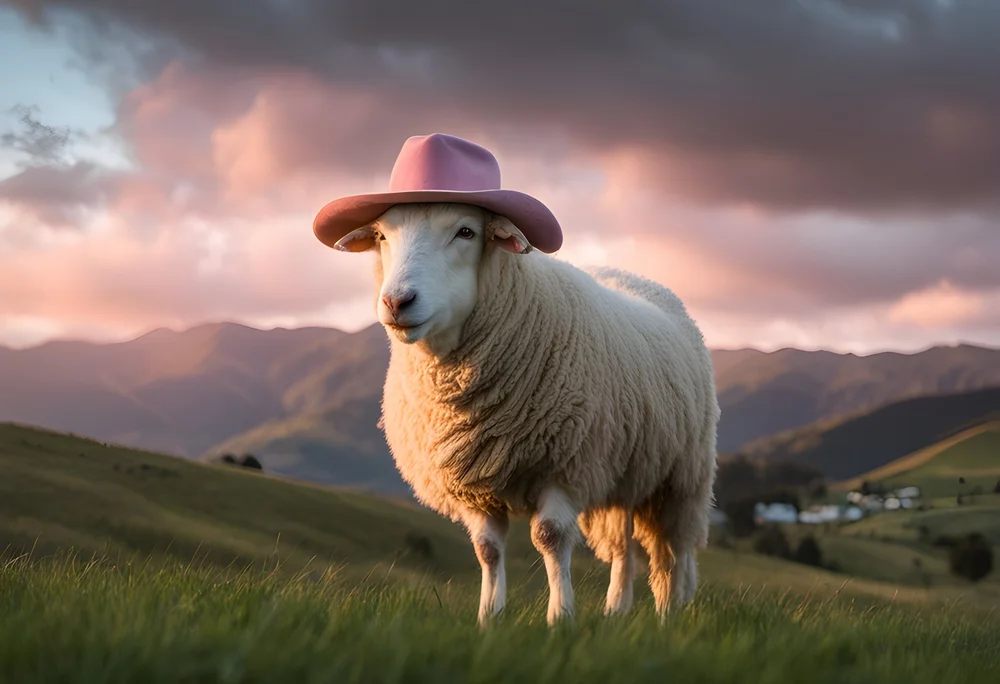
Ever wonder why cowboy hats are made of wool? It keeps your head cool when it’s hot and warm when it’s cold. Wool is a breathable fibre that is amazingly good at insulating people, homes, offices and schools.
Wool carpets and installation products do just that: they insulate your home, making it warmer and drier and saving on heating bills. Wool has many pockets of air trapped in its surface, making it an excellent insulator. Which is great news for sheep.
There are many reasons why our wool is good for people and good for the planet. You can find them on the Wool’s Benefits page.